
Conflict and Cultural Differences
What about Disagreeing @Work?
By Fahad Alqahtani
Let me explain this concept using the Press Freedom Index results of 2019. If we consider cultures that took centuries of emphasis by their members into account, we can predict which countries will support press freedom and which will make sure that freedom of expression will not harm their culture’s image. As leading structure will dominate law enforcement in extremely hierarchical cultures, confrontation of disagreement is a form of expression that is not considered as a well-intended response regardless of how catastrophic is matter in hand might be.
Conflict and Cultural Differences and maps of the world
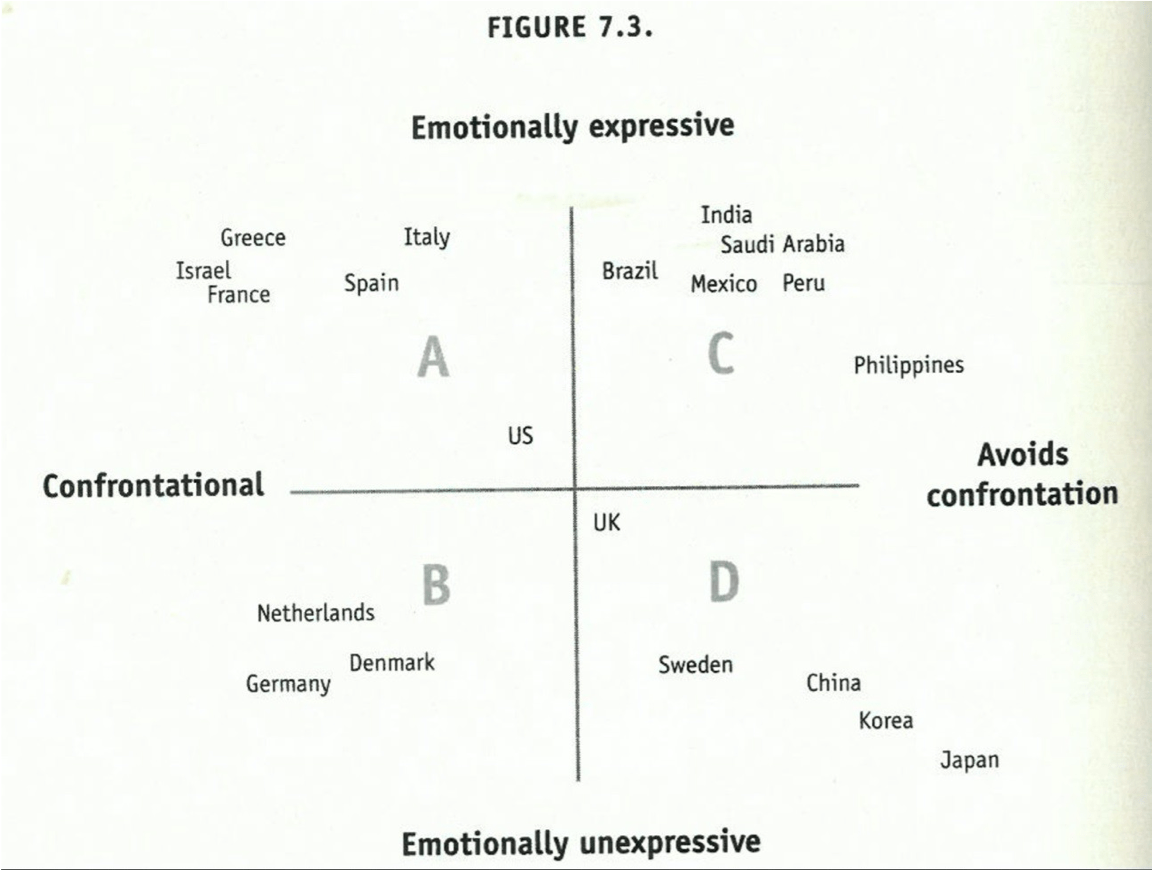
As this chart demonstrates from Erin Meyer’s book, while typical Indians, Mexicans, or workers from the Philippines have a cultural encouragement to express his/her sense of dissatisfaction with work or life in general, they exert a big effort not to confront authority that caused it in the first place as a sign of showing respect. On the other hand, French, Spanish, and Americans seem to live in a culture that supports expressing such feelings in the face of authority with various degrees of intensity.
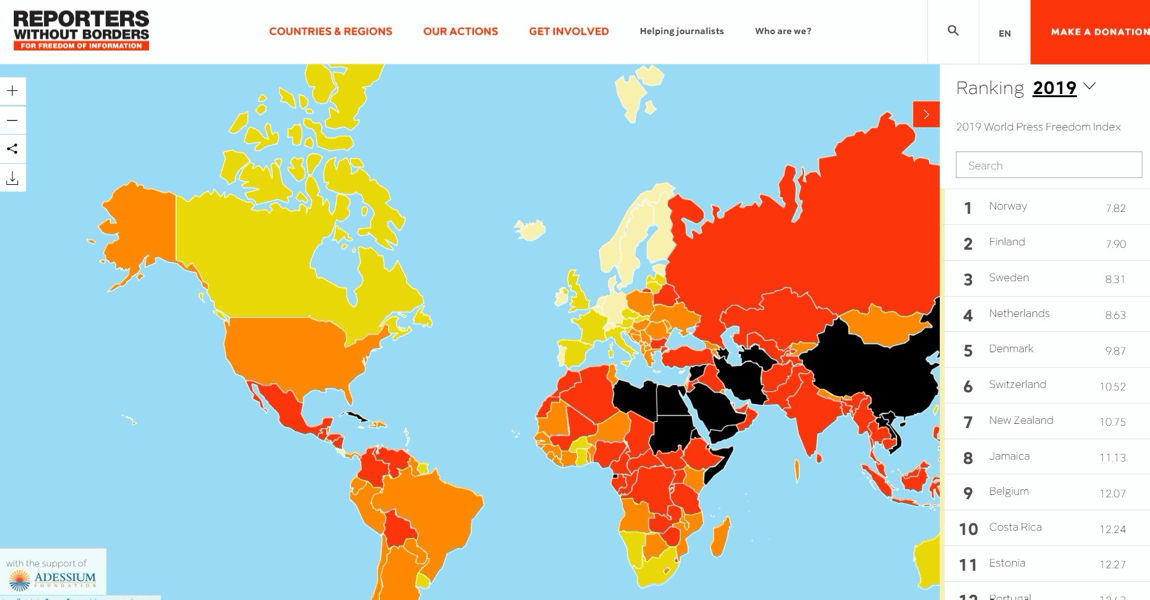
So, here are the results of the Press Freedom Index with the top ten out of 180 countries. You can see confrontational countries like the Netherlands are among the top ten who encourage confrontations (world’s 4th) even if they are not from a culture that would encourage individuals to be emotionally expressive.
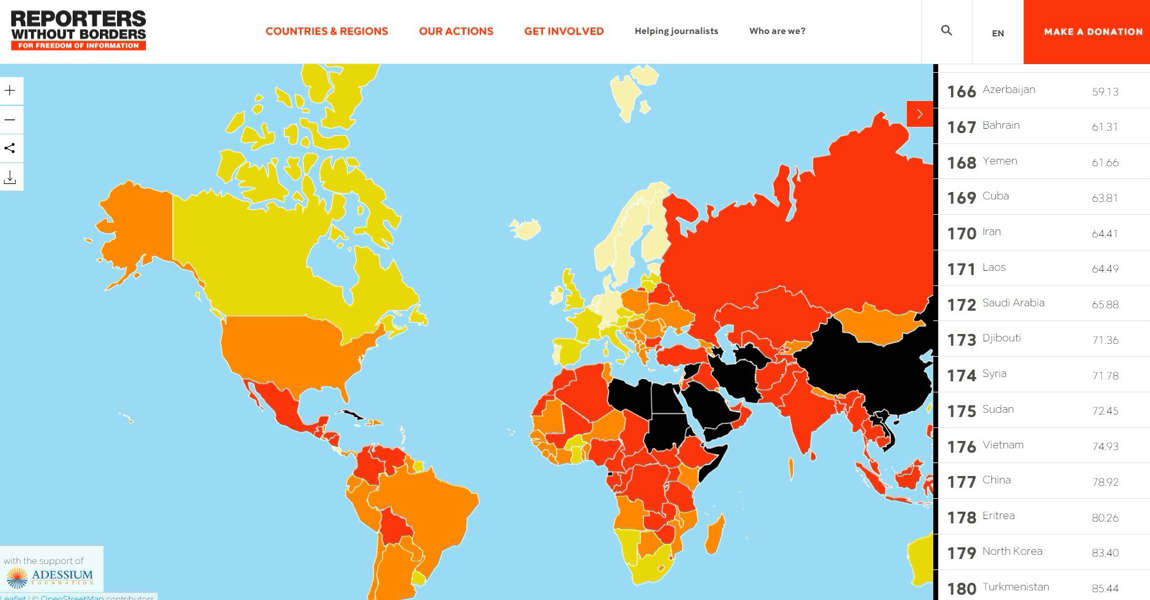
Likewise, a country like China ranks at the bottom of the freedom index (the World’s 177th) without being genuinely concerned.
So, I think it is more reasonable to expect each culture to defend its unique view and resist organizations of global reach (Like the UN) to risk changing them to end up looking like the rest of human beings. As sad as this may sound, global organizations still need to spend more time and effort viewing slow progress in what they like to consider a “Universally accepted” agenda as just a romantic theory that needs a deeper understanding of cultural ego.
Conflict and Cultural Differences on Culture Matters
First figure (Figure 7.3) is scanned directory from the "The culture map" book by Erin Meyer - page 204
Charts are screen shots from Reporters without boarders website - 2019 World Press freedom index:https://rsf.org/en/ranking
Get a Taste of How Chris Presents, Watch his TEDx Talk
 Call Direct: +32476524957
 Call Direct: +32476524957
European Office (Paris) Whatsapp: +32476524957
 European Office (Paris) Whatsapp: +32476524957
The Americas (USA; Atlanta, GA; también en Español): +1 678 301 8369
Book a 20-minute strategy call
If you want more details, fill in the form below
No obligation. Chris will personally respond to discuss your event, audience, and objectives.

His education is in Organisational Psychology and he has lived in the USA, the Netherlands, and currently lives in Belgium.
Chris Smit
- 205 Cultural Differences and the Levant with Dr. Hussein Rifai - 13 October 2026
- 204 Cultural Differences and Architecture with Kevin Kenon - 29 September 2026
- 203 Cultural Differences and Corporate Coaching with Nic Woodthorpe-Wright - 15 September 2026