
Optimize Your Business Today!
Increase Your Revenue & Save Time
Don’t Settle For Less
Our Consulting Services
Hi, I’m Chris,
For the last 20 years, I’ve been working with thousands of people all over the world to improve their cultural competence.
Working internationally brings many challenges of which Culture is by far the most important one but also the most underestimated one.
Culture Matters When Doing Business Internationally.
Lectures
A great international keynote speaker and his speech don’t just happen. You need to find a keynote speaker with:
- The right message,
- Appeal,
- And the presentation to win over your audience.
Workshops
- Professional
- Practical & to the point
- Interactive (no matter how big the audience is)
- To the point
- Realistic and relatable
- With lots of takeaways
- Business & leadership oriented
- Fun, entertaining… but also educational!
- Flexible topics and contents
Coaching 1-on-1
One-on-One coaching will take you or one of your employees to the next level.
Cultural competence at its best
What Do Others Say About Culture Matters?
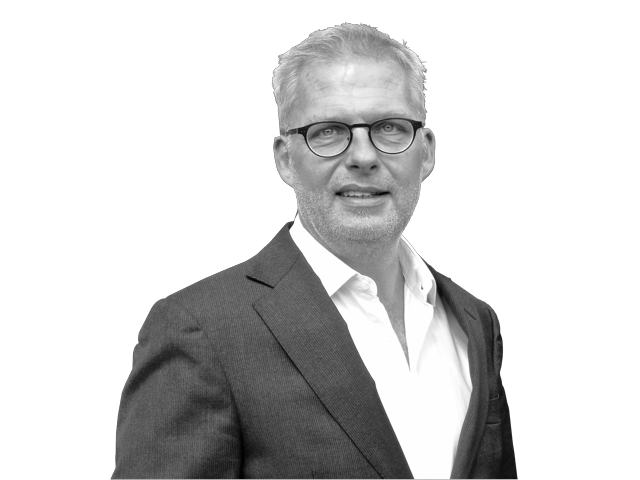
 Hans Odenthal, People Manager Sioux Embedded Systems; Eindhoven, the Netherlands
 Hans Odenthal, People Manager Sioux Embedded Systems; Eindhoven, the Netherlands
"Chris is an open-minded flexible professional who can deliver high-quality work when it comes to culture. After having attended a workshop of him, people are better equipped to work with other cultures.
What counts for me are the end results, and for that, you can count on Chris. Working with Culture Matters has increased our productivity when it comes to working with other cultures."
Paul Wait, CEO GTMC; London, UK
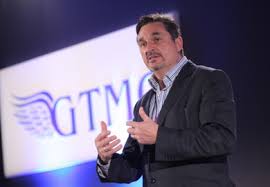 Paul Wait, CEO GTMC; London, UK
"Chris is an experienced culture expert. I've been doing business with him for years and have never been disappointed.
He not only knows what he's talking about, but he can also deliver it in a way that captures an audience, be it 10 people or 150 people. If culture is important to you (and for whom isn't it) work with Chris."
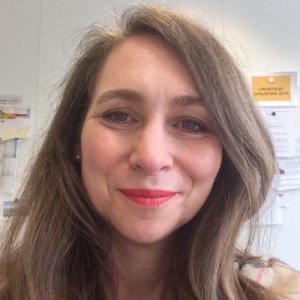
Brigit Law; Senior Trade Officer Dutch Embassy, Brussels Belgium
 Brigit Law; Senior Trade Officer Dutch Embassy, Brussels Belgium
“Chris Smit offers excellent guidance in understanding the effect of cultural differences in doing business abroad. Even if, or especially when, it concerns trading with neighboring countries.
That’s why I asked Chris to sit in a panel discussion about cultural differences that was linked to a business matchmaking of young entrepreneurs from The Netherlands and Belgium. Bringing these young people at an early stage in their internationalization process in contact with experts like Chris will help them succeed in their business.”
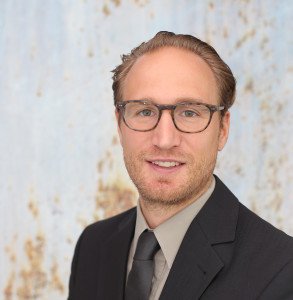
Jens Schuster; Senior Director Lufthansa City Center, Frankfurt Germany
 Jens Schuster; Senior Director Lufthansa City Center, Frankfurt Germany
"As a Senior Director for Lufthansa City Center International (LCCI) I deal with different cultures every day. I met Chris at a conference in Abu Dhabi, where he gave a keynote lecture. Immediately after I contracted him for our organization’s annual customer event.
Chris is able to capture the attention from the very first moment on and hold it till the last minute. He broadens and deepens your understanding, as well as giving you the tools to overcome cultural differences within a global business world."
Christophe Scholer; CEO Araxxe, Lyon France
 Christophe Scholer; CEO Araxxe, Lyon France
"We've been growing rapidly internationally, so we needed to become culturally competent. For that, we have found the perfect partner in Chris Smit. I've attended a workshop where Chris explained and taught us all we needed to know to more effectively work with our international clients.
If you're working internationally, work with Chris. He can save you time and money by letting you do your business better."
Some of Our Clients








And Many More...
If you think Culture Matters in your Business and Organization, get in touch with us. Click Here...

Get a Taste of How Chris Presents, Watch his TEDx Talk
Call Direct: +32476524957
 Call Direct: +32476524957
European Office (Paris) Whatsapp: +32476524957
 European Office (Paris) Whatsapp: +32476524957
The Americas (USA; Atlanta, GA; también en Español): +1 678 301 8369
Book Chris Smit as a Speaker
If you're looking for an Engaging, Exciting, and Interactive speaker on the subject of Intercultural Management & Awareness you came to the right place.
Chris has spoken at hundreds of events and to thousands of people on the subject of Cultural Diversity & Cultural Competence.
This is What Others Say About Chris:
- “Very Interactive and Engaging”
- “In little time he knew how to get the audience inspired and connected to his story”
- “His ability to make large groups of participants quickly and adequately aware of the huge impact of cultural differences is excellent”
- “Chris is a dedicated and inspirational professional”
In addition, his presentations can cover specific topics cultural topics, or generally on Cultural differences.
Presentations can vary anywhere from 20 minutes to 2 hours and are given World Wide.
Book Chris now by simply sending an email. Click here to do so.
Read more about what Chris can do for you.
- Percentage of People Rating a Presentation as Excellent 86%
- Rating the Presentation as Practical 89%
- Applicability of Chris' presentation 90%
About Peter van der Lende
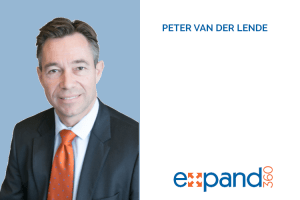
Peter has joined forces with Culture Matters.
Because he has years and years of international business development experience joining forces therefore only seemed logical.
Being born and raised in the Netherlands, he has lived in more than 9 countries of which most were in Latin America.
He currently lives in Atlanta, Georgia (USA) with his family.
You can find out more at https://expand360.com/
Or find out what Peter can do for you here.
For a Wikipedia explanation of Culture, click here.
Listen to the Culture Matters Podcast
Why Culture Matters in International Business; Watch some video’s here.